
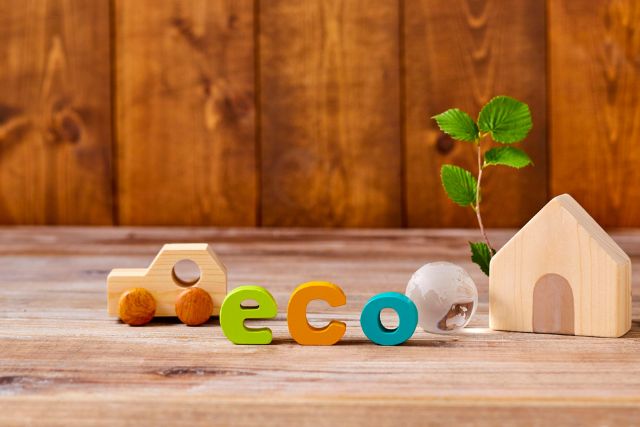
The environmental impact of home ownership means that owning a home comes with responsibilities, and one of the most significant is understanding how your property impacts the environment. While homeownership can contribute to energy use and waste, there are meaningful ways to minimize your footprint and make eco-friendly choices.
Homes consume a significant amount of energy, but small upgrades can make a big difference. Swap out incandescent bulbs for LEDs, seal drafts around doors and windows, and invest in energy-efficient appliances to improve energy efficiency. Installing a programmable thermostat can also help you cut down on energy use.
Solar panels are becoming more accessible and affordable — so embrace renewable energy! By harnessing the power of the sun, you can reduce reliance on non-renewable energy sources and lower your utility bills.
Install low-flow faucets, showerheads, and toilets to conserve water. Outside, opt for drought-resistant landscaping or rain barrels to make the most of natural precipitation.
Simple habits, like composting food scraps or recycling, can have a positive impact and help you adopt sustainable practices. Avoid single-use plastics, and consider purchasing eco-friendly cleaning products to reduce harmful chemical runoff.
If you’re renovating, choose sustainable or “green” building materials like bamboo flooring or reclaimed wood. These options are not only environmentally friendly but also add unique character to your home.
By making thoughtful choices and small changes, you can enjoy the comforts of homeownership while reducing your environmental impact. It’s a win-win for your family and the planet.