
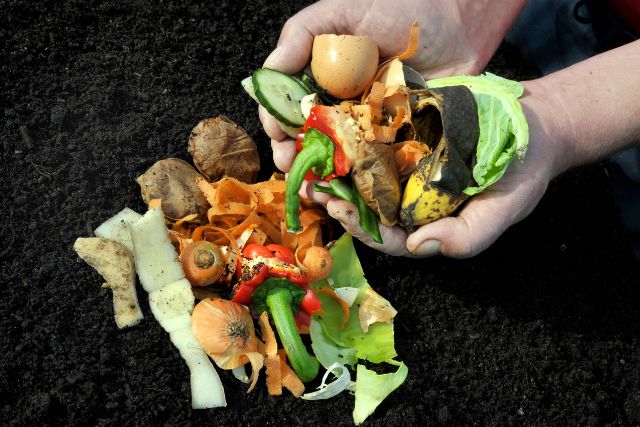
A guide to composting for beginners can help start an eco-friendly way to reduce waste and enrich your garden soil this spring. Whether you have a sprawling yard or a small balcony, starting a compost pile now is easier than you think. Here’s a simple guide to get you started:
1. Choose Your Method
Decide between a backyard compost bin, a worm composting system (vermicomposting), or a countertop compost bin for small spaces. Each method works well depending on your space and lifestyle.
2. Know What to Compost
Add “greens” like fruit and vegetable scraps, coffee grounds, and grass clippings for nitrogen, and “browns” like dried leaves, cardboard, and shredded paper for carbon. Avoid meat, dairy, and oily foods as they attract pests and slow decomposition.
3. Layer It Right
Start with a layer of browns, then alternate with greens. Aim for a ratio of about three parts browns to one part greens to keep your compost balanced.
4. Maintain Your Pile
Turn your compost regularly to aerate it and speed up decomposition. Keep it moist, like a wrung-out sponge, but not soggy.
5. Harvest Your Compost
In a few months, your pile will turn into rich, dark compost. Use it to enrich garden beds, potted plants, or even as a top-dressing for your lawn.
Composting not only reduces household waste but also creates nutrient-rich soil that benefits your plants and the environment. It’s a small habit with a big impact.